You turn up the thermostat. The furnace kicks on. Warm air starts moving through the vents. Yet somehow, your Denver home still feels cold.
If that sounds familiar, you are not alone. Many homeowners across the Denver Metro area deal with rooms that never feel warm enough, basements that stay chilly, upstairs areas that overheat, and thermostats that say one thing while the house feels completely different.
At Steel T Home Services, we call this the 5,280′ Comfort Gap: the frustrating difference between what your thermostat says and how comfortable your home actually feels.
Living at Denver’s elevation comes with unique home comfort challenges. Cold winter nights, dry air, intense sun exposure, older housing stock, and big temperature swings can all expose weaknesses in your heating system, ductwork, insulation, and indoor air quality.
If the heat is running but you are still reaching for another blanket, the thermostat may not be the real problem. Here are some of the most common reasons Denver homes struggle to stay comfortable in the winter, along with what you can do about them.
Your Thermostat May Only Measure One Location
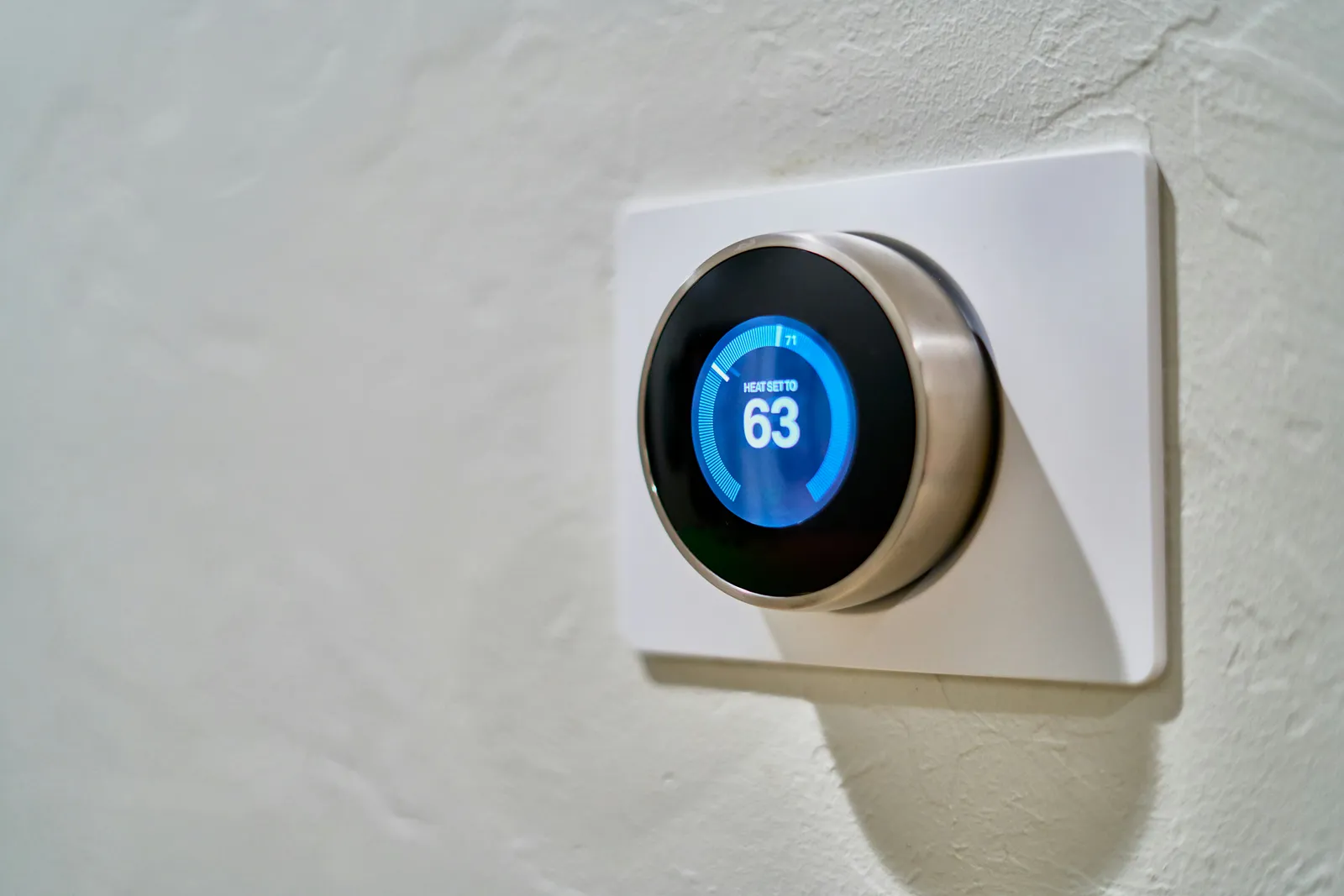
A thermostat does not measure comfort throughout your entire home. Many only read the temperature in the area where they are installed. If that area reaches 70 degrees, your heating system may shut off even if a bedroom down the hall, a finished basement, or a room above the garage still feels cold.
Temperature differences are especially common in:
- Finished basements
- Rooms over garages
- Home additions
- Upper floors
- North-facing rooms
- Rooms with large windows
- Areas far from the furnace or air handler
Denver homes often change over time. A previous owner may have finished a basement, added living space, remodeled a kitchen, or changed the layout without updating the HVAC system to match the new floor plan.
The result is a home that is technically heated, but not evenly comfortable.
If your thermostat shows the house is warm but certain rooms still feel cold, Steel T Home Services can evaluate your heating system, airflow, and ductwork to identify the cause of the imbalance.
Denver’s Temperature Swings Put Homes to the Test
Denver weather can change quickly. A sunny afternoon may warm parts of the home naturally, while temperatures can drop fast after sunset. One room may benefit from direct sunlight during the day, while another loses heat quickly through windows, walls, or poor insulation.
These temperature swings expose comfort issues that may be less noticeable in milder climates.
Older windows, insufficient attic insulation, exterior doors, gaps around penetrations, and poorly sealed areas can all allow heat to escape. Even if your furnace keeps running, your home may lose heat fast enough that certain rooms never feel truly comfortable.
This is why a cold room is not always caused by a failing furnace. Sometimes the heating system is doing its job, but the home is losing heat faster than it can replace it.
A professional HVAC inspection can help determine whether your comfort issue is related to equipment performance, airflow, ductwork, insulation, or a combination of factors.
Drafts Can Make a Warm Room Feel Cold
Air temperature is only one part of comfort. Moving cold air can make a room feel chilly even when the thermostat reads a reasonable temperature.
Common sources of drafts include:
- Older windows
- Exterior doors
- Fireplace dampers
- Attic access points
- Gaps around pipes or wiring
- Poorly sealed additions
- Recessed lighting and other openings
Cold surfaces can also affect comfort. Sitting next to a cold window can feel much different than sitting in the center of the same room.
Air sealing, weatherstripping, window improvements, and insulation upgrades can all make a noticeable difference. But your HVAC system also plays an important role. Proper airflow, balanced ductwork, and consistent heating cycles help reduce the hot-and-cold feeling that many Denver homeowners experience during winter.
If your home feels drafty even when the heat is on, Steel T can inspect your HVAC system and help determine whether airflow or heating performance is contributing to the problem.
Your HVAC System May Not Be Distributing Heat Evenly
Sometimes the furnace produces heat properly, but that heat does not reach every part of the home effectively.
Uneven heating can be caused by:
- Blocked vents
- Dirty air filters
- Leaky ductwork
- Poor duct design
- Weak airflow
- Aging HVAC equipment
- Incorrect system sizing
- Closed or restricted return vents
- Layout changes made after the HVAC system was installed
Before assuming you need a new furnace, check simple issues first. Make sure furniture, rugs, curtains, or storage items are not blocking supply or return vents. Replace your air filter if it is dirty. Open interior doors to improve airflow between rooms.
If the problem continues, it is time to schedule professional heating service.
Steel T Home Services can inspect your furnace, ductwork, blower motor, filters, thermostat, and overall airflow to determine why certain areas of your home are not getting enough heat.
Dry Colorado Air Can Make Your Home Feel Colder
Denver’s air is naturally dry, and indoor air often becomes even drier during the heating season. Low humidity can make your home feel colder than the thermostat setting suggests.
Dry air can also contribute to:
- Dry skin
- Scratchy throats
- Irritated sinuses
- Static electricity
- Cracking wood furniture or flooring
- More airborne dust
- Poor indoor comfort
Humidity affects how warm your home feels. When indoor air is too dry, homeowners often turn up the thermostat to compensate. That can lead to longer furnace run times and higher energy bills without fully solving the comfort problem.
A whole-home humidifier can help add balanced moisture to the air, making your home feel warmer and more comfortable at normal thermostat settings.
Steel T Home Services can help evaluate your indoor air quality and recommend humidity solutions that work with your HVAC system.
Older Denver Homes Often Need HVAC Attention
Many Denver-area homes were built before modern HVAC design and insulation standards. Over the years, these homes may have gained finished basements, additions, remodeled rooms, new windows, updated appliances, or changed layouts.
Unfortunately, the heating system is not always updated simultaneously. Older homes may struggle with:
- Undersized ductwork
- Poor insulation
- Aging furnaces
- Leaky ducts
- Uneven airflow
- Inconsistent thermostat placement
- Rooms that were added after the original HVAC design
If your home has been remodeled or expanded, your existing HVAC system may no longer match the way the home is used today.
A full comfort assessment can help determine whether your home needs furnace repair, duct adjustments, airflow improvements, thermostat relocation, indoor air quality upgrades, or a new heating system.
Your Furnace May Be Working Harder Than It Should
A furnace does not have to break down completely to need service. Many systems continue running while slowly losing efficiency and performance.
Your furnace may be struggling if you notice:
- Longer heating cycles
- Frequent on-and-off cycling
- Weak airflow
- Cold spots
- Rising energy bills
- Unusual noises
- Burning smells
- Uneven temperatures
- A thermostat that never seems satisfied
These signs can point to worn parts, dirty components, clogged filters, airflow restrictions, ignition issues, blower problems, or system age.
Scheduling heating service early can help catch small issues before they become expensive repairs. It can also help your system run more efficiently through Denver’s coldest months.
Heat Pumps and Modern HVAC Systems Need Proper Setup
More Denver homeowners are considering high-efficiency HVAC options, including heat pumps and dual-fuel systems. These systems can be excellent solutions when properly designed, installed, and maintained.
However, equipment selection matters. Denver’s altitude, winter temperature swings, home layout, insulation, and ductwork all affect performance.
A heat pump or new furnace should be sized correctly for the home. Bigger is not always better. Oversized systems can short-cycle, while undersized systems may struggle to keep up during cold weather.
Steel T Home Services can help evaluate your home and recommend heating equipment that fits your comfort needs, energy goals, and Colorado’s climate.
Space Heaters Are a Sign Something Else May Be Wrong
When one room stays cold, plugging in a space heater may feel like the easiest fix. But if you rely on portable heaters every winter, the real issue may be your HVAC system, insulation, airflow, or ductwork.
A space heater can temporarily warm a small area, but it does not solve the underlying comfort problem. It can also increase energy consumption and pose safety risks if used improperly.
If a room constantly needs supplemental heat, it is worth having the home evaluated. There may be a better long-term solution, such as duct improvements, HVAC service, insulation upgrades, thermostat adjustments, or a more effective heating system.
When to Call an HVAC Professional
You should schedule heating service if your home feels cold even when the thermostat is set correctly, especially if the issue keeps happening.
Call Steel T Home Services if you notice:
- Certain rooms are always cold
- Your furnace runs constantly
- Your energy bills are rising
- Airflow feels weak
- Your home feels dry and uncomfortable
- The thermostat setting does not match how the home feels
- Your furnace makes unusual noises
- Your system has not been serviced recently
- You are considering a furnace, heat pump, or indoor air quality upgrade
A professional HVAC technician can help identify whether the issue is related to heating equipment, ductwork, airflow, humidity, filtration, insulation, or system design.
Close the 5,280′ Comfort Gap
If your Denver home feels cold even when the heat is running, do not assume turning up the thermostat is the only answer.
Start by looking at your home as a complete comfort system. Insulation affects how quickly heat escapes. Ductwork affects where heated air goes. Humidity affects how warm the air feels. Your furnace or heat pump determines how efficiently your home is heated.
When all of these pieces work together, your home feels warmer, more consistent, and more comfortable.
Steel T Home Services helps homeowners throughout Centennial, Littleton, Englewood, Lakewood, Highlands Ranch, and the greater Denver Metro area solve winter comfort problems with professional heating service, furnace repair, HVAC maintenance, airflow solutions, indoor air quality upgrades, and system replacement.
If your home still feels cold when the heat is on, let Steel T help you find out why.
Contact Steel T Home Services today to schedule heating service and close the comfort gap in your Denver home.