
Dust is one of those household problems that never seems to fully go away. You wipe down the shelves, vacuum the floors, change the bedding, and somehow, a thin layer of dust shows up again just a few days later.
If your home feels dusty no matter how often you clean, the issue may not just be your cleaning routine. Your HVAC system, air filters, ductwork, indoor humidity, and airflow can all play a major role in how much dust circulates through your home.
For homeowners in Colorado, dust can be especially frustrating. Dry air, seasonal pollen, wildfire smoke, pet dander, construction debris, and outdoor particles can easily make their way indoors. Once they enter your home, your heating and cooling system may keep moving those particles from room to room.
The good news is that proper air filtration can help reduce dust, improve indoor air quality, and support a cleaner, more comfortable living environment.
Why Is My Home So Dusty?
Every home has some dust. Dust is made up of many tiny particles, including skin cells, fabric fibers, pollen, dirt, pet dander, hair, and particles from outdoors. While regular cleaning helps, it does not always address the source of the problem.
If your home always feels dusty, a few common issues may be contributing to the problem.
Outdoor Dust Is Getting Inside
Colorado’s dry climate can create dusty conditions, especially during windy weather or seasonal changes. Dust, pollen, and outdoor debris can enter through open doors, windows, gaps, cracks, and poorly sealed entry points.
Once inside, these particles can settle on surfaces or get pulled into your HVAC system. When your furnace or air conditioner runs, that dust can continue circulating through the air.
Your Air Filter Is Dirty or Low Quality
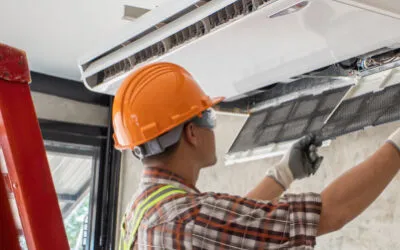
Your HVAC filter is designed to capture airborne particles before they move through your heating and cooling system. If the filter is dirty, clogged, or too basic for your home’s needs, it may not capture enough dust.
A dirty filter can also restrict airflow, causing your HVAC system to work harder. When airflow is reduced, your home may feel less comfortable, and your equipment may experience more strain.
Your Ductwork May Be Leaky
Ductwork carries heated and cooled air throughout your home. If your ducts have gaps, cracks, loose connections, or poor sealing, they may pull dust from attics, crawlspaces, basements, garages, or wall cavities.
That dust then travels through the duct system and enters your living spaces through vents and registers. If you notice dust collecting near vents, duct issues may be part of the problem.
Your Home Has Poor Airflow
Airflow plays a major role in indoor air quality. When airflow is weak or uneven, dust can settle more easily in certain areas. Rooms that feel stuffy, vents with weak airflow, or hot and cold spots may all point to airflow problems.
Poor airflow may be caused by dirty filters, blocked vents, duct issues, or an HVAC system that is not operating properly.
Pets Add More Airborne Particles
Pets can bring joy to a home, but they also add hair, dander, dirt, and outdoor particles. Even well-groomed pets contribute to dust buildup, especially during shedding seasons.
Homes with pets often benefit from stronger filtration and more frequent filter changes.
Dry Indoor Air Makes Dust More Noticeable
Dry air can make dust feel worse. In Colorado, indoor air often becomes especially dry during the heating season. When there is not enough moisture in the air, dust and particles may stay airborne longer and irritate your nose, throat, eyes, and skin.
Low humidity can also make your home feel less comfortable, even when the temperature is set correctly.
How HVAC Filtration Helps Reduce Dust
Your HVAC system moves large amounts of air through your home every day. That means it also has the opportunity to capture airborne particles before they settle on furniture, floors, and vents.
The key is having the right filtration setup.
Air Filters Capture Airborne Particles
As air moves through your HVAC system, it passes through the filter. A quality filter can capture dust, pollen, pet dander, lint, and other particles before they move back into your living spaces.
However, not all filters are the same. Some basic filters are designed mainly to protect HVAC equipment from large debris. Higher-quality filters may capture smaller particles and provide better indoor air quality support.
Better Filtration Can Improve Indoor Air Quality
Upgrading your filter or adding a whole-home filtration solution can help reduce the amount of airborne dust circulating throughout your home.
Better filtration may help with:
- Dust buildup
- Pollen
- Pet dander
- Airborne irritants
- Particles from smoke or outdoor pollution
- Debris around vents and registers
For homes with allergies, pets, or frequent dust issues, improved filtration can make a noticeable difference.
Clean Filters Help Your HVAC System Work Better
A clogged air filter makes it harder for air to pass through your system. This can reduce comfort, increase energy use, and place unnecessary strain on your furnace or air conditioner.
Changing your filter regularly helps maintain airflow, supports system efficiency, and allows your HVAC equipment to operate more effectively.
How Often Should You Change Your HVAC Filter?
Most homeowners should replace their HVAC filter every 1 to 3 months. However, your home may need more frequent filter changes if you have:
- Pets
- Allergies
- A dusty neighborhood
- Recent home renovations
- Heavy HVAC usage
- Smoky outdoor conditions
- Several people living in the home
If your filter looks gray, dusty, or clogged, it is time to replace it. Waiting too long can reduce airflow and allow more particles to circulate.
Signs Your HVAC Filtration Is Not Keeping Up
If your home feels dusty shortly after cleaning, your filtration system may not be doing enough.
Watch for signs such as:
- Dust collecting quickly on furniture
- Dust around vents and registers
- Allergy symptoms indoors
- Weak airflow from vents
- A dirty filter after only a short time
- Musty or stale indoor air
- Frequent sneezing, coughing, or throat irritation
- Uneven heating or cooling
These symptoms do not always mean you need a new HVAC system. In many cases, filter changes, duct inspection, airflow adjustments, or upgraded filtration can help.
Whole-Home Filtration vs. Standard Filters
Standard HVAC filters are important, but some homes need more than a basic filter.
A whole-home filtration system is designed to work with your HVAC equipment and filter air throughout the entire house. Unlike portable room units, whole-home filtration treats air as it moves through your central heating and cooling system.
This can be helpful for homes dealing with:
- Persistent dust
- Pet dander
- Allergies
- Wildfire smoke concerns
- Poor indoor air quality
- Older ductwork
- High HVAC usage
Whole-home filtration can also support cleaner equipment operation by reducing debris inside the system.
What About Air Purifiers?
Air filtration and air purification are related, but they are not exactly the same.
Filtration focuses on capturing particles as air moves through a filter. Air purification may use additional technology to help address airborne contaminants, odors, or smaller particles. Some homeowners benefit from combining upgraded filtration with a whole-home air purifier.
If your main concern is visible dust, filtration may be the first place to start. If you are also concerned about odors, smoke, pathogens, or overall air freshness, an air purification system may be worth considering.
Don’t Forget About Ductwork
Even the best filter may not solve dust problems if your ductwork is leaking or dirty. Leaky ducts can pull dust from areas you do not want air coming from, such as attics, crawlspaces, or wall cavities.
A professional HVAC technician can inspect your ductwork for:
- Loose connections
- Gaps or leaks
- Poor sealing
- Excessive dust near vents
- Airflow restrictions
- Signs of debris inside the system
Addressing duct issues can help improve comfort, reduce dust circulation, and support better HVAC performance.
How to Reduce Dust in Your Home
Along with HVAC filtration, a few regular habits can help reduce dust:
- Replace HVAC filters regularly
- Vacuum with a quality vacuum cleaner
- Use doormats at entryways
- Keep windows closed during windy or smoky days
- Groom pets regularly
- Wash bedding often
- Keep vents clear of furniture and rugs
- Schedule routine HVAC maintenance
The goal is not to eliminate every dust particle. That is not realistic. The goal is to reduce how much dust enters, circulates, and settles throughout your home.
When to Call an HVAC Professional
If your home is still dusty despite regular cleaning and filter changes, it may be time for a professional inspection.
Call an HVAC professional if:
- Dust returns quickly after cleaning
- Your filter clogs faster than normal
- You notice weak airflow
- Dust collects around vents
- Your home feels stuffy or stale
- Allergy symptoms are worse indoors
- Your HVAC system has not been serviced recently
A technician can evaluate your filter, ductwork, airflow, and equipment to determine what is causing the dust problem.
Breathe Easier with Steel T Home Services
A dusty home is not just a cleaning issue. It can be a sign that your HVAC filtration, airflow, or ductwork needs attention.
At Steel T Home Services, we help homeowners improve indoor air quality with professional HVAC maintenance, filtration solutions, air purification options, and system inspections. Whether you are dealing with dust, allergies, pet dander, or stale indoor air, our team can help you find the right solution for your home.
Serving Centennial, Littleton, Englewood, Lakewood, Highlands Ranch, and the greater Denver Metro area, Steel T Home Services is here to help you enjoy cleaner air and better comfort year-round.
Contact Steel T Home Services today to schedule an indoor air quality assessment and learn how improved HVAC filtration can help reduce dust in your home.