
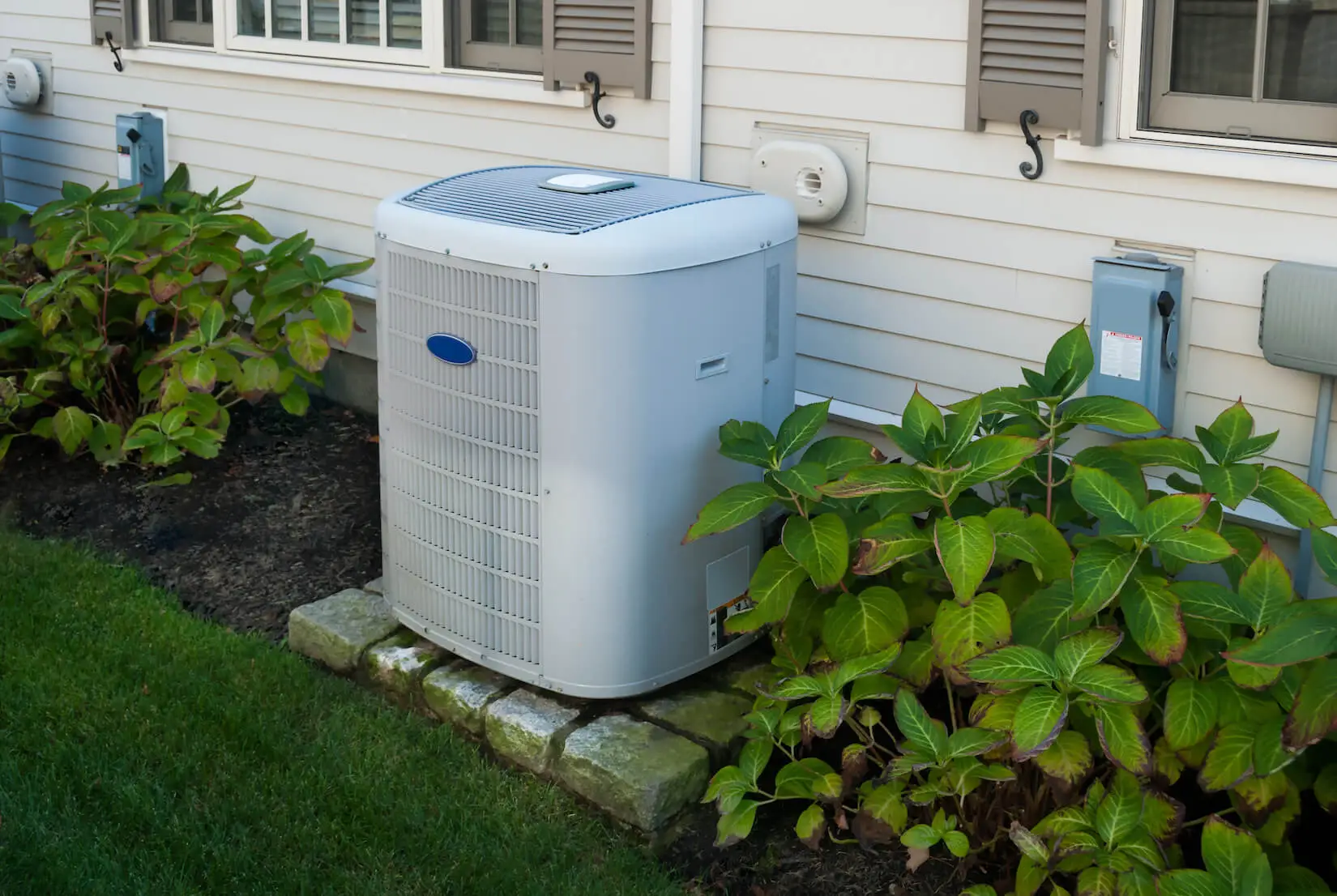
Selecting the right HVAC (Heating, Ventilation, and Air Conditioning) system for your home is a critical decision that affects your comfort, energy consumption, and wallet. The right system ensures a cozy atmosphere during cold winters and a refreshing ambiance in hot summers, all while optimizing energy efficiency and reducing costs. This guide aims to navigate you through the process, making finding an HVAC system that suits your home’s needs and preferences easier.
Understanding HVAC System Types
1. Central Air Conditioners and Heat Pumps
Central air conditioners are the most common systems for cooling homes, using ductwork to distribute cool air efficiently. They are ideal for houses with existing ductwork and those needing a comprehensive solution for larger spaces. Heat pumps serve a dual function, providing cooling in the summer and heating in the winter. They are exceptionally energy-efficient, especially in mild climates, because they transfer heat rather than generate it, making them a versatile choice for year-round comfort.
2. Ductless Mini-Splits
Ductless mini-split systems offer a flexible alternative for homes without traditional ductwork. These systems consist of an outdoor compressor/condenser unit and one or more indoor air-handling units, connected by a conduit. They are perfect for adding heating and cooling to specific rooms or areas without the need for extensive duct installation, making them ideal for older homes, home additions, or those looking to improve energy efficiency by heating or cooling only occupied spaces. Additionally, ductless mini-split systems can reduce your home’s cooling and heating costs by 30% compared to traditional forced-air systems, according to the DOE.
3. Furnaces and Boilers
Furnaces are one of the most common heating systems in homes across colder climates. They blow heated air through ducts that deliver the warm air to rooms throughout the house via air registers or grills. Furnaces can run on electricity, natural gas, or fuel oil. Boilers, on the other hand, heat water, providing either hot water or steam for heating. Steam is distributed via pipes to steam radiators, while hot water can be distributed via baseboard radiators, radiant floor systems, or coils. Boilers are known for their ability to provide consistent, comfortable heat.
4. Hybrid Systems
Hybrid systems, also known as dual-fuel systems, combine the best of both worlds: a gas furnace and an electric heat pump. This system intelligently switches between the two energy sources, depending on outdoor temperatures, to offer the most energy-efficient heating and cooling. During mild weather, the heat pump operates as both a heater and air conditioner, providing cost-effective comfort. The system automatically switches to the gas furnace in colder conditions, offering powerful warmth when needed. This adaptability makes hybrid systems an excellent choice for regions with significant temperature fluctuations.
Key Factors to Consider
1. Home Size and Layout
The size and layout of your home significantly influence the type of HVAC system you need. Larger homes may benefit from central systems, while ductless mini-splits can be more suitable for smaller spaces or room-specific conditioning.
2. Climate
Your local climate plays a crucial role in choosing the right system. Heat pumps are excellent in mild climates, while furnaces or boilers might be necessary in areas with harsh winters.
3. Energy Efficiency
Look for systems with a high SEER (Seasonal Energy Efficiency Ratio) rating for cooling and a high AFUE (Annual Fuel Utilization Efficiency) rating for heating. ENERGY STAR-certified heating and cooling equipment can save homeowners 10% to 20% on their annual energy costs. Energy-efficient units have higher initial costs but offer significant savings in the long run.
4. Installation and Maintenance
Consider the installation process and long-term maintenance requirements. Some systems may require extensive ductwork, affecting installation costs and time.
5. Budget
Budget constraints are a reality for many. While it’s important to invest in a high-quality, efficient system, consider both upfront and operational costs.
The Importance of Professional Assessment
Consulting with a professional HVAC contractor is crucial. They can provide valuable insights based on a detailed assessment of your home, considering insulation quality, window placements, and other factors that influence heating and cooling needs. This personalized approach ensures that you invest in a system tailored to your specific requirements.
Energy Efficiency and Sustainability
With rising energy costs and growing environmental concerns, energy efficiency is more important than ever. Opting for an HVAC system with a high-efficiency rating reduces your carbon footprint and leads to significant savings on utility bills. Consider systems that are ENERGY STAR certified for maximum efficiency and sustainability.
Future-Proofing Your Investment
Choosing an HVAC system is a long-term investment. As technology advances, considering smart features like programmable thermostats or systems compatible with home automation can provide added convenience and further optimize energy use. Additionally, look for units with good warranties and reliable customer support to ensure peace of mind over the years.
Making the Right Choice with Steel T Home Services
When it comes to selecting the perfect HVAC system for your home, Steel T Home Services stands out as a trusted partner. Our team of certified professionals is dedicated to guiding you through every step of the process, from system selection to installation and maintenance. We pride ourselves on providing tailored solutions that meet your specific needs, ensuring optimal comfort, efficiency, and satisfaction.
Why Choose Steel T Home Services?
- Expert Guidance: Our knowledgeable team will help you navigate the complexities of choosing the right HVAC system.
- Customized Solutions: We assess your home’s specific needs to recommend the most suitable, energy-efficient options.
- Quality Installation: Proper installation is key to the longevity and efficiency of your system, and our experts ensure a seamless setup.
- Ongoing Support: Beyond installation, we offer comprehensive maintenance services to keep your system running smoothly year-round.
Making the Best HVAC Choice for Your Home
Selecting the right HVAC system for your home involves considering various factors, including type, size, climate, energy efficiency, and budget. By understanding your needs and consulting with professionals like Steel T Home Services, you can make an informed decision that ensures comfort, efficiency, and peace of mind. Remember, the goal is not just to choose an HVAC system, but to invest in your home’s future comfort and sustainability. Contact Steel T Home Services Today to explore how we can help you achieve the perfect climate control solution for your home.